
Expert Picks For Reliable Concrete Leveling Equipment and Supplies
Find trusted products favored by professionals to achieve smooth, even concrete surfaces with ease.
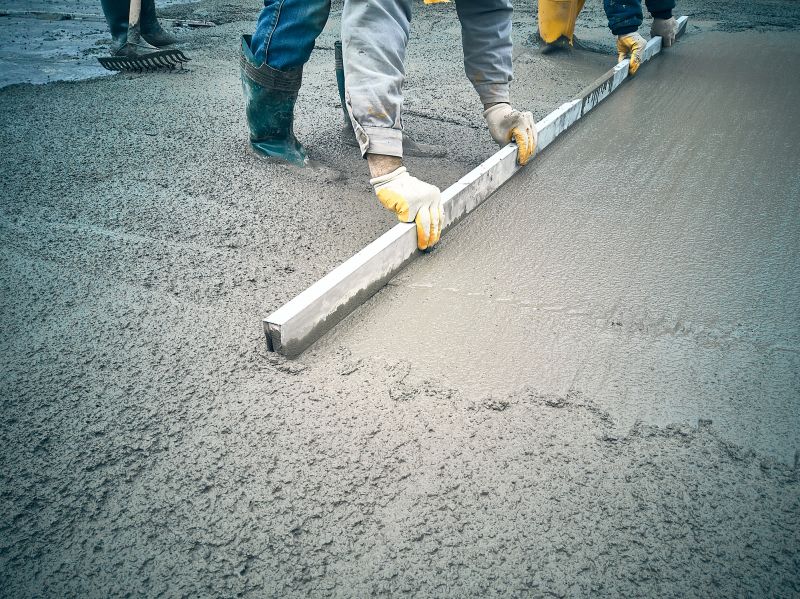 Concrete leveling products are essential tools and materials used to restore smoothness and stability to uneven or sunken concrete surfaces. These products serve a variety of applications, from residential driveways and sidewalks to commercial flooring and industrial slabs. Properly selecting the right leveling solutions can help improve safety, prevent further damage, and extend the lifespan of concrete structures. The market offers a diverse range of options, including liquid fillers, self-leveling compounds, and specialized repair kits, each suited for different types of surface irregularities and project scopes.
Top Overall Option
Self-Leveling Concrete Compound
A versatile and user-friendly self-leveling concrete compound can be an excellent choice for a wide range of leveling projects. It spreads evenly across uneven surfaces, filling in low spots and creating a smooth, durable finish. This type of product is suitable for both small repairs and larger surface areas, offering quick curing times and strong adhesion properties. Its ease of application makes it popular among DIY homeowners and professionals alike, providing a reliable solution for restoring flatness and stability to concrete surfaces.
Types of Products For Concrete Levelings
Liquid Concrete Fillers
Fluid-based products designed to fill minor cracks and surface imperfections, typically applied with a trowel or spray.
Self-Leveling Compounds
Ready-to-use mixtures that flow and settle evenly, creating a smooth surface ideal for flooring preparations.
Concrete Patching Mixes
Heavy-duty formulations used for repairing larger cracks, holes, or damaged sections in concrete surfaces.
Polyurethane Foam Injectors
Expandable foam products that lift and stabilize sunken slabs by filling voids beneath the surface.
Cement-Based Repair Mortars
High-strength mortars suitable for structural repairs and leveling thicker sections of concrete.
Epoxy Resin Systems
Strong adhesive compounds used for bonding and repairing cracks, often combined with fillers.
Polymer Modified Overlayments
Thin overlays that can level and reinforce existing concrete surfaces for improved durability.
Hydraulic Cement Mixes
Fast-setting products ideal for emergency repairs and sealing active leaks or cracks.
Concrete Resurfacing Products
Thin coatings that restore the appearance and surface integrity of worn or damaged concrete.
Crack Repair Kits
Complete kits that include sealants, fillers, and tools for addressing surface cracks.
Void Fillers
Materials designed to fill voids beneath slabs, preventing further settling or shifting.
Polyurea Coatings
Rapid-curing coatings that provide a durable, level surface suitable for high-traffic areas.
Grouting Materials
Fine powders used to fill small gaps and level uneven surfaces in concrete structures.
Spray-On Leveling Agents
Sprayable formulations that can quickly cover large areas and fill surface irregularities.
Underlayment Products
Materials applied beneath flooring to create a smooth, level base over uneven concrete.
Popular Choices
Widely used for creating flat surfaces prior to flooring installation, appreciated for its ease of use.
Commonly chosen for sealing small to medium cracks to prevent further damage.
Popular for their ability to lift and stabilize sunken slabs with minimal disruption.
Favored for structural crack repairs and bonding applications due to their strength and durability.
Often selected for quick fixes in active or water-exposed areas.
Chosen for restoring worn or stained surfaces with a fresh, even appearance.
Popular for sealing surface cracks and preventing debris infiltration.
Used frequently to fill voids beneath concrete slabs, preventing further settling.
Selected for their quick curing time and durability in high-traffic areas.
Preferred for rapid coverage of uneven surfaces in large-scale projects.
Popular for creating smooth bases for flooring installations over uneven concrete.
Frequently used for repairing structural damage and leveling thicker sections.
Selected for their ability to reinforce and level existing concrete surfaces.
Commonly used in emergency repairs where quick setting is necessary.
Useful for filling and leveling minor surface irregularities efficiently.
When considering concrete leveling products, it's important to understand the nature of the surface damage. Some products are designed for minor surface imperfections, while others are formulated to address deeper depressions or structural issues. The ease of application, curing time, and compatibility with existing concrete are also critical factors. Many products now feature user-friendly formulas that minimize mess and facilitate quick repairs, making DIY projects more accessible.
Professional-grade solutions often involve more complex application processes but can provide more durable and long-lasting results. For DIY enthusiasts, there are ready-to-use kits that include everything needed for small to medium-sized repairs. Regardless of the product choice, proper surface preparation and adherence to manufacturer instructions are vital for achieving optimal results. Investing in quality leveling products can help ensure a safer, more level surface that enhances both functionality and appearance.
Key Buying Considerations
- Determine the extent of surface unevenness or damage to select the appropriate product type.
- Consider the size of the area to be repaired to choose between small kits or larger quantities.
- Check for compatibility with existing concrete surfaces to ensure proper adhesion.
- Evaluate the curing time to match your project timeline, especially for quick repairs.
- Assess ease of application, particularly if undertaking DIY repairs, favoring user-friendly formulas.
- Review the product's flexibility and movement accommodation to prevent future cracking.
- Look for products with strong bonding properties for long-lasting results.
- Consider the environmental conditions, such as exposure to moisture or temperature fluctuations.
- Verify if the product is suitable for structural or surface repairs based on your needs.
- Examine the manufacturer's instructions for surface preparation and application techniques.
- Determine if additional tools or primers are required for optimal application.
- Assess the finish quality—smoothness, texture, and appearance—desired for your project.
- Review safety data and handling requirements to ensure safe usage.
- Check for any specific project restrictions or recommendations provided by the manufacturer.
- Compare product reviews or testimonials for insights into real-world performance.
This content includes affiliate links for informational purposes. Purchasing through these links may earn a commission at no additional cost to you.